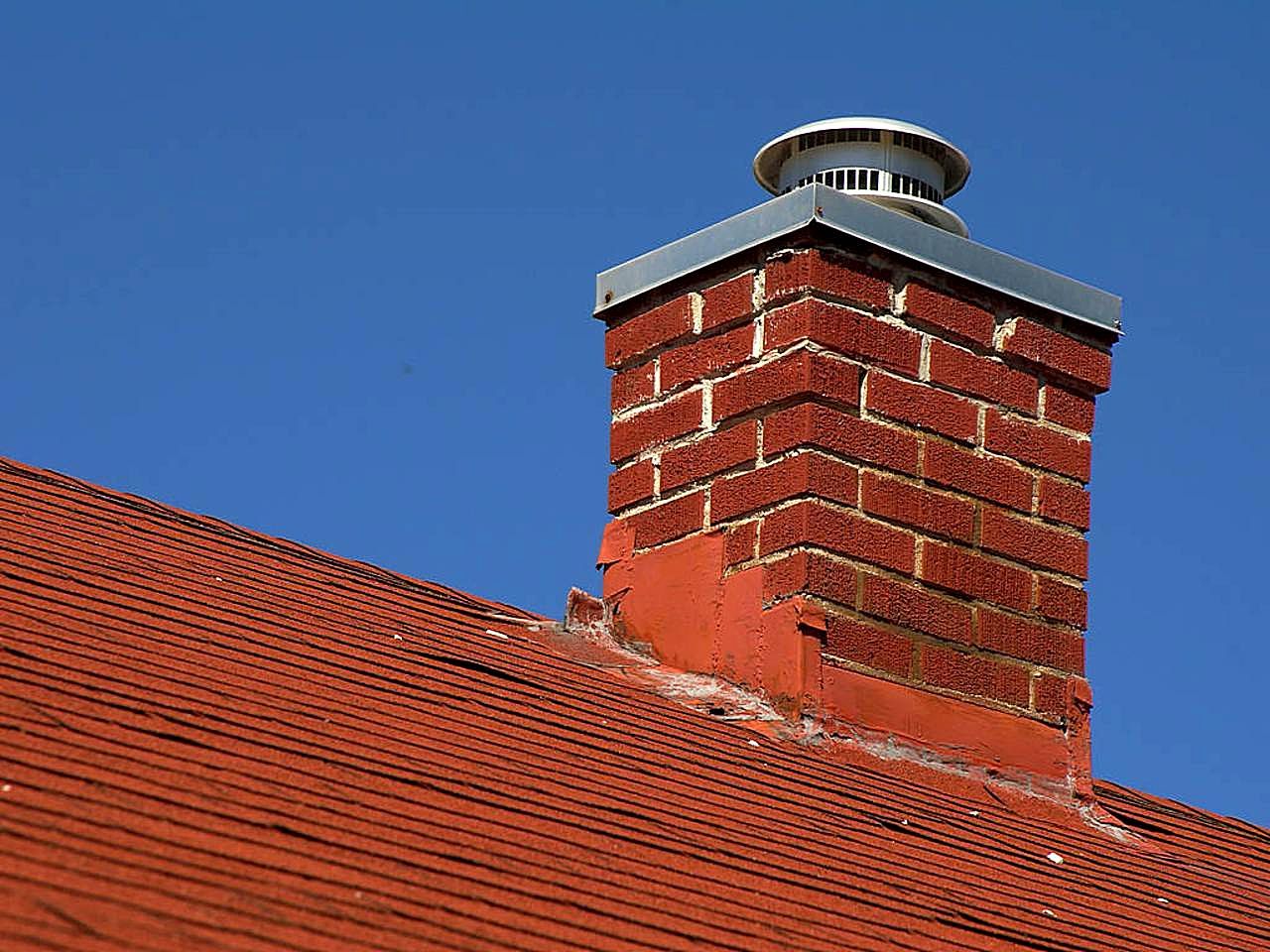
Creosote is the residue left when wood smoke cools and condenses on the inside of a flue. It is the main reason chimneys need cleaning, and the reason a neglected chimney can catch fire. Understanding the form it takes tells you both how serious the buildup is and how hard it will be to remove.
Why creosote forms
When wood burns incompletely, the smoke carries unburned particles and tar vapours up the flue. As that smoke meets cooler chimney walls, the vapours condense into a film. Three conditions accelerate the process: burning wood that is too wet, restricting the air supply so the fire smoulders, and an oversized or cold flue that pulls heat out of the smoke before it leaves. Each leaves more residue behind.
The fuel link. The single biggest lever a homeowner controls is moisture. Dry, seasoned wood burning in a hot, well-fed fire produces far less creosote than damp wood choked down overnight. See the firewood seasoning guide for how to get there.
The three degrees of buildup
Sweeps commonly describe creosote in three degrees, reflecting how it accumulates and hardens over time.
| Degree | Appearance | Typical removal |
|---|---|---|
| First degree | Light, flaky soot — mostly fine ash-like residue | Routine brushing |
| Second degree | Crunchy, flaky black flakes resembling cornflakes | Brushing, sometimes with rotary tools |
| Third degree | Hard, shiny, tar-like glaze fused to the flue | Specialized rotary or chemical treatment |
Why glazed creosote is the dangerous kind
Third-degree, or glazed, creosote is the form most associated with chimney fires. It is concentrated, highly combustible, and bonded to the flue so firmly that an ordinary brush slides over it. Once it ignites, it can burn intensely enough to crack a clay liner or warp a metal one. Glazed deposits usually signal a pattern of cool, smouldering fires — which is why removing the glaze is only half the fix; the burning habits that created it have to change too.
Signs it is time to clean
- A dull, slow-starting fire or smoke spilling back into the room.
- A strong tar or campfire odour from the fireplace, stronger in humid weather.
- Visible black, flaky or shiny deposits when you look up the flue with a light.
- A loud, roaring sound during a fire — a possible active chimney fire; leave and call 911.
How creosote is removed
Mechanical brushing
The standard method. A correctly sized brush, run on rods from the top or bottom, scrapes first- and second-degree buildup off the flue walls. It is effective on flaky deposits and is the routine part of an annual cleaning.
Rotary cleaning
For harder second-degree and some third-degree deposits, a rotary system uses spinning flails or chains driven by a drill to break the buildup loose. It removes more stubborn material than a hand brush without the chemistry of a treatment product.
Chemical treatment
Glazed third-degree creosote often resists mechanical removal. A catalyst or modifier applied to the deposit can make it dry, flaky, and brushable over subsequent fires, after which it is swept out normally. This is generally applied by a professional who can then verify the flue is clear.
Verification matters. Removal is not finished until the flue is checked — ideally with a camera — to confirm the deposit is gone and the liner underneath is intact. A Level 2 inspection is the usual companion to a heavy clean.
Reducing how fast it returns
- Burn only well-seasoned wood below roughly 20% moisture.
- Run hot, bright fires rather than choking the air down for a long, smouldering burn.
- Keep the flue warm — an exterior masonry chimney that stays cold encourages condensation.
- Have the system swept and checked on a regular schedule, more often if you burn heavily.
Sources: CSIA, NFPA, and Natural Resources Canada. For removal of heavy or glazed deposits, use a WETT-certified or CSIA-certified professional.