Chimney inspections
What a Level 1, 2, or 3 inspection actually examines, and when each one is warranted after a chimney fire, a sale, or an appliance change.
Read inspection notesWood-heat reference · Canada
Straightforward reference notes on the parts of wood heating that matter most in a Canadian winter: how chimneys are inspected, why creosote forms, what WETT certification covers, how much clearance a hearth needs, and how to season firewood so it burns clean.

What this site covers
Each topic is kept separate so you can read only the part you need. The notes lean on Canadian practice — CSA installation codes, provincial fire regulations, and the WETT training framework — rather than generic advice.
What a Level 1, 2, or 3 inspection actually examines, and when each one is warranted after a chimney fire, a sale, or an appliance change.
Read inspection notesThe three degrees of creosote, why glazed deposits are the dangerous kind, and the difference between brushing and a chemical or rotary approach.
Read creosote notesHow long common Canadian species take to dry, how to read a moisture meter, and how to stack a cord so air does the work.
Read firewood notesWood Energy Technology Transfer is the training program behind most Canadian wood-heat inspections. What a WETT inspection report covers and why insurers ask for it.
See the WETT sectionClearance to combustibles and floor-protection rules come from the appliance label and CSA B365. Where the numbers come from and why you should not guess.
See the clearance sectionThe notes reference publicly available material from WETT Inc., the CSIA, the NFPA, and Natural Resources Canada. Links appear at the foot of each page.
About these notesGuides

The three inspection levels, what WETT certification adds, and the clearance rules that get checked along the way.
Read the guide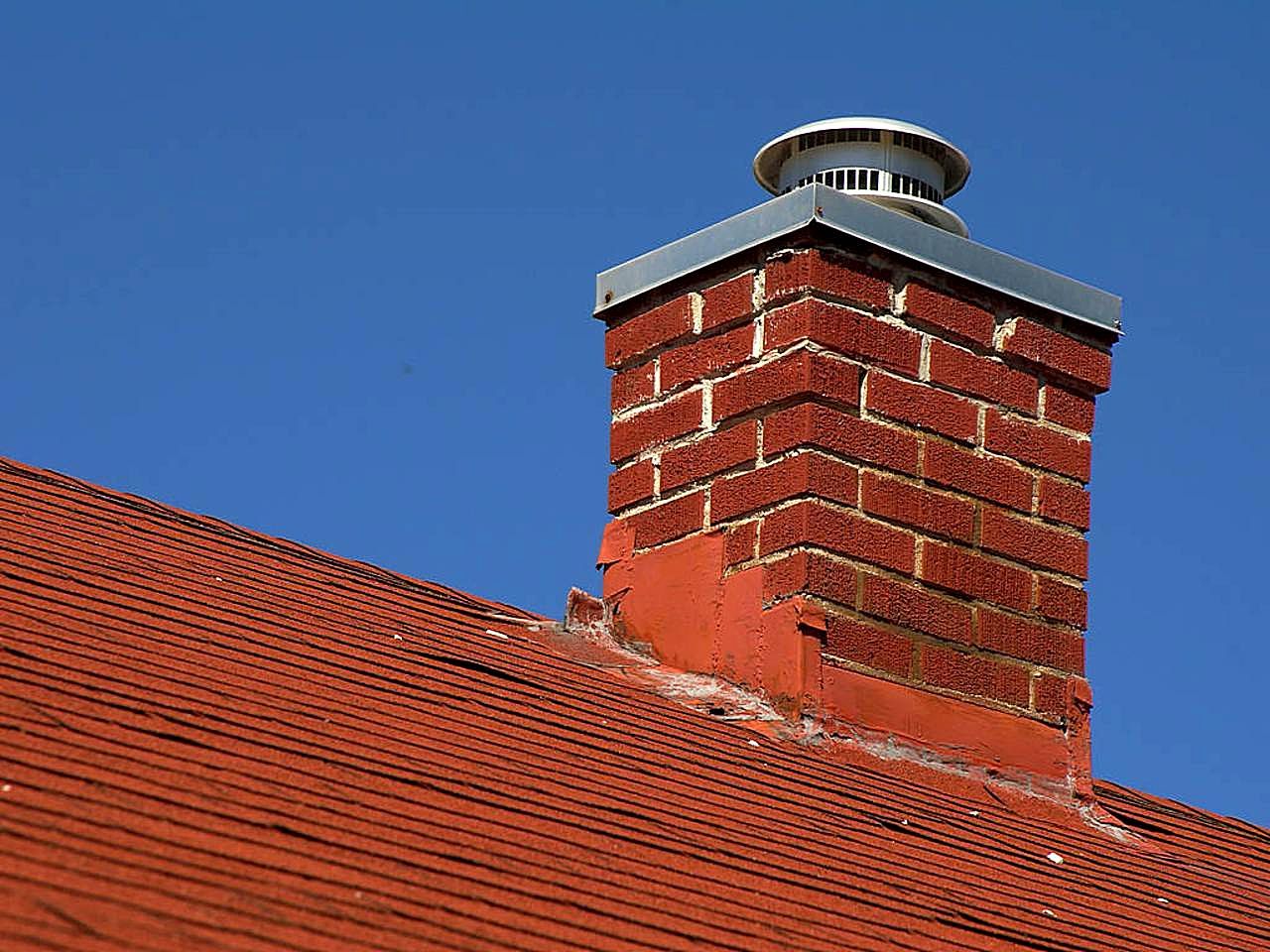
The three degrees of buildup, the warning signs of a glazed flue, and how sweeps choose between brushing, chemicals, and rotary tools.
Read the guide
Why moisture content matters more than species, how long common Canadian hardwoods take to dry, and how to stack for airflow.
Read the guideContact
Send a note and it will be read. This form does not provide emergency assistance. If you smell smoke in the living space, hear a roaring sound from the chimney, or suspect an active chimney fire, leave the home and call 911.